Architecture & Topology
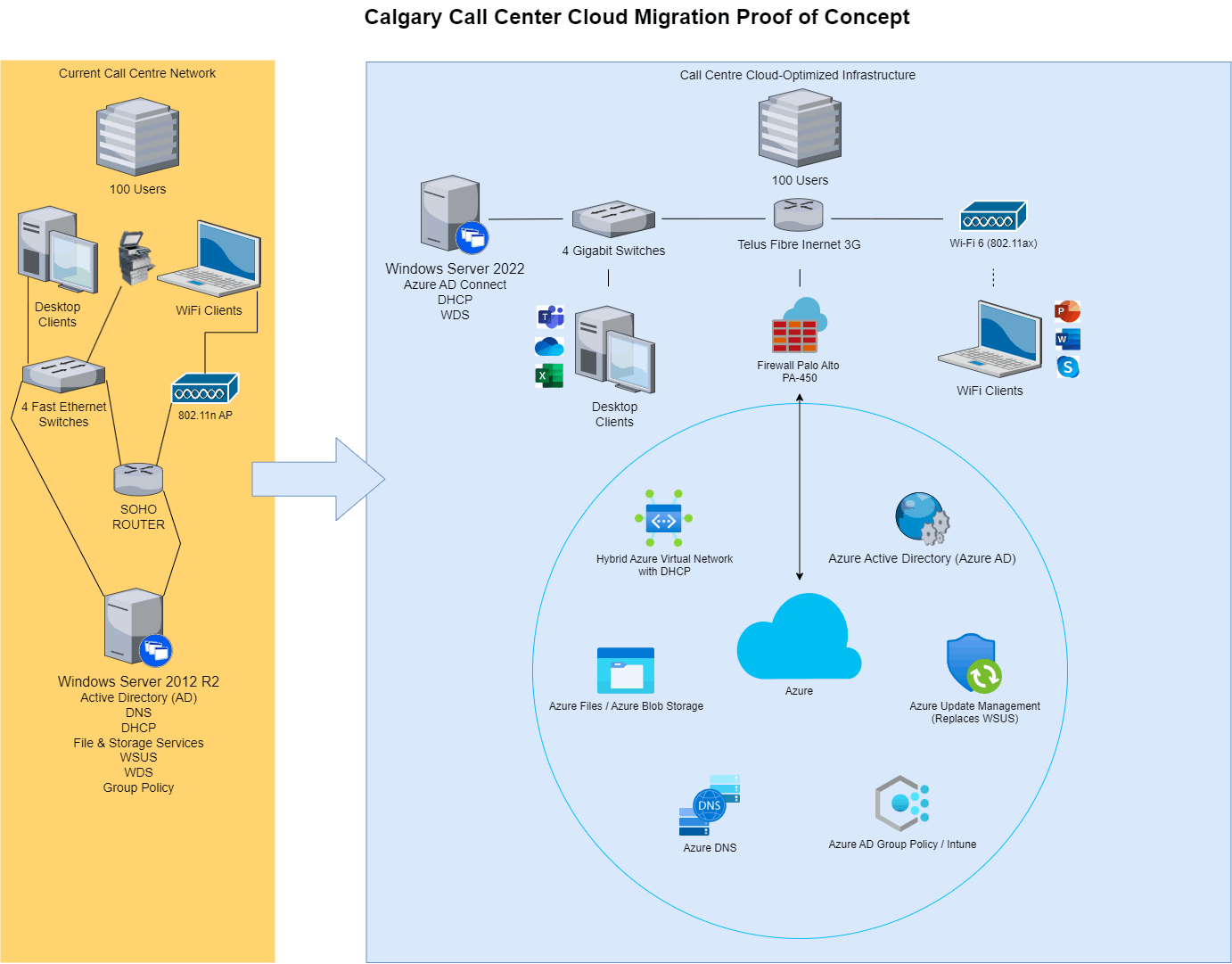
Figure 1.0: The final hybrid architecture. Scaling instantly with Azure while maintaining a secure, redundant physical footprint on-site.
Figure 1.0: The final hybrid architecture. Scaling instantly with Azure while maintaining a secure, redundant physical footprint on-site.
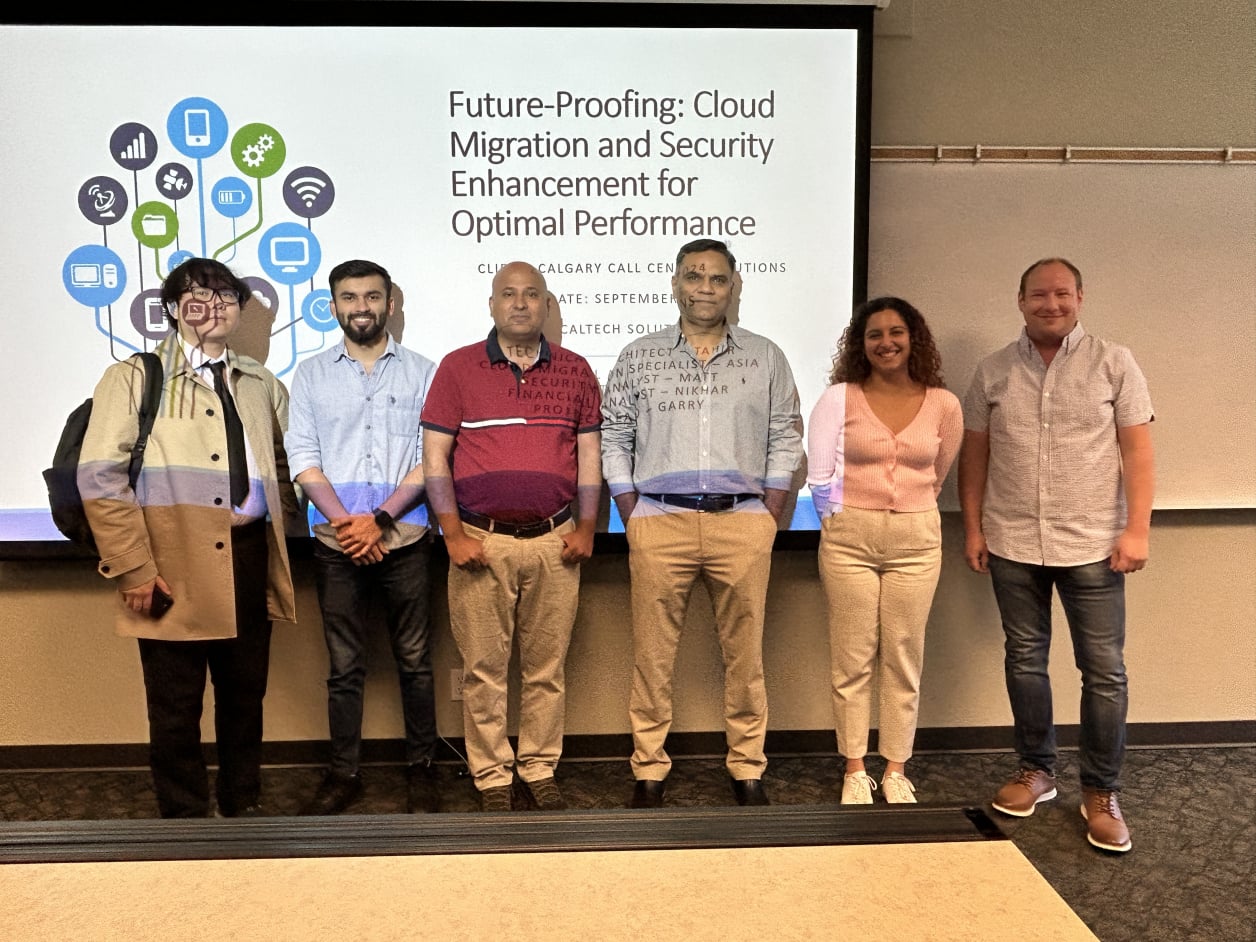
Role: Project Lead
I directed the technical rescue of a 100-user organization running on borrowed time. Their infrastructure was built on End-of-Life Windows Server 2012 R2 and a consumer-grade SOHO router that couldn't handle the traffic.
The consequences were real: they had been hit by ransomware twice in one year and suffered a DNS poisoning attack that took their services offline. My team beat out competitors with a $472k proposal to modernize them into a hybrid Azure environment, securing their perimeter with Palo Alto firewalls and guaranteeing 99.99% uptime.
The client was operating on significant "Technical Debt." Their flat network topology meant that once a hacker got past the SOHO router, they had unrestricted lateral movement. The DNS poisoning incident proved their internal resolution was compromised, and their backups were not air-gapped.
We moved from "hope" to "Zero Trust." Here is the new edge architecture:
We didn't just rush in. I spent the first month mapping inventory and dependencies to ensure our cost analysis held firm. We built the Azure "Landing Zone" (VNets, Subnets) to mimic their on-prem topology and established the VPN tunnel.
Crucially, we prioritized services to move during off-peak hours, ensuring the call center agents never faced a service interruption during the prep work.
This was the critical move. We utilized Azure Migrate and AzCopy to shift 10TB of unstructured data to Azure Blob Storage.
We synchronized identities using Azure AD Connect but made a strategic call to keep a local DHCP server running. This created a resilient hybrid environment—ensuring that even if the fiber uplink fails, the local LAN remains functional for internal tasks.
Cutover wasn't the end. We stress-tested DNS resolution and latency to ensure VoIP traffic was stable. Then, we locked the doors: enabling Microsoft Defender for Cloud and Azure Sentinel for real-time threat detection.
Finally, we conducted user training and decommissioned the legacy hardware, leaving the client with a fully redundant, cloud-native infrastructure.
We didn't just patch a leak; we built a fortress. The legacy infrastructure is gone, replaced by a self-healing, cloud-native environment.
Uptime SLA
Guaranteed availability via Azure Availability Zones.
Delivered On-Budget
Executed the full transformation without exceeding the RFP cap.
Incidents
Zero ransomware events or breaches since deployment.